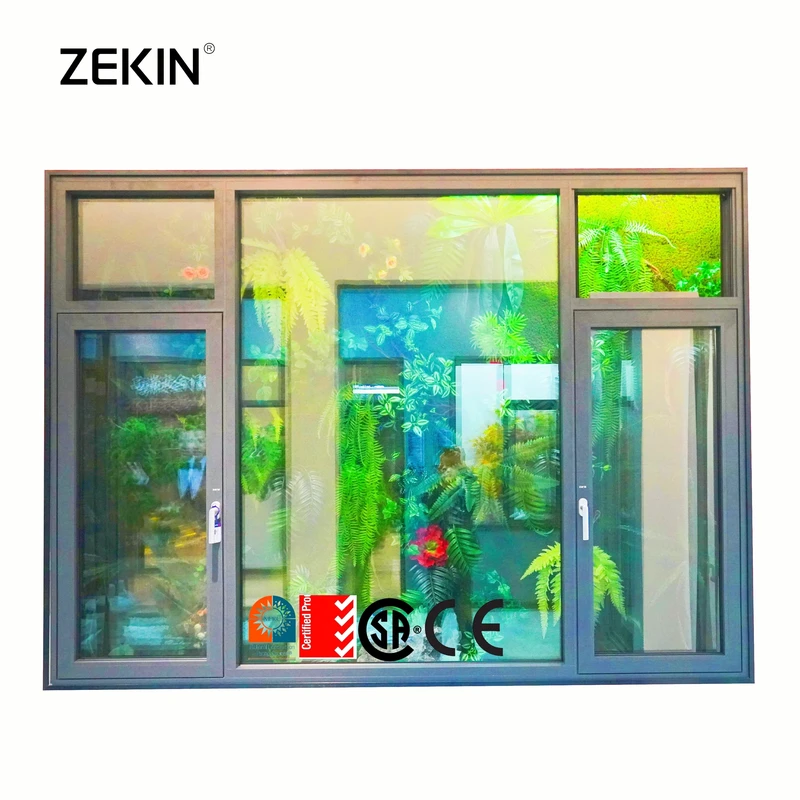
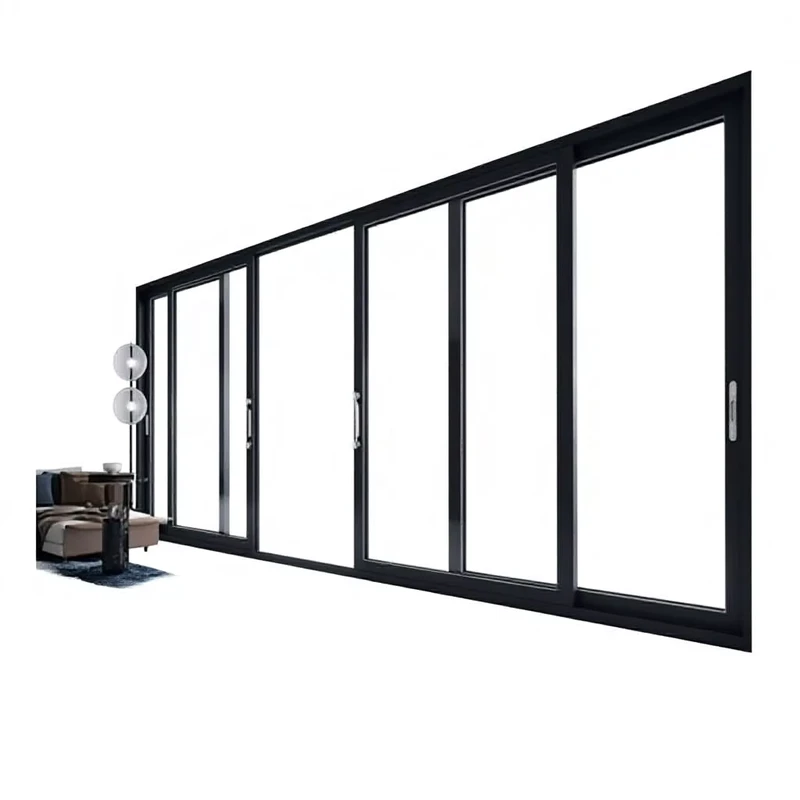
Compare folding and casement aluminum windows for wide views, ventilation, wind resistance, insulation, and project-specific sourcing.
Window selection affects more than a building’s appearance. For importers, distributors, and project buyers, the opening system also influences ventilation, usable space, weather performance, and installation planning. Comparing products by application helps create a focused specification instead of relying on frame color or glass thickness alone.
Match the Opening Style to the Space
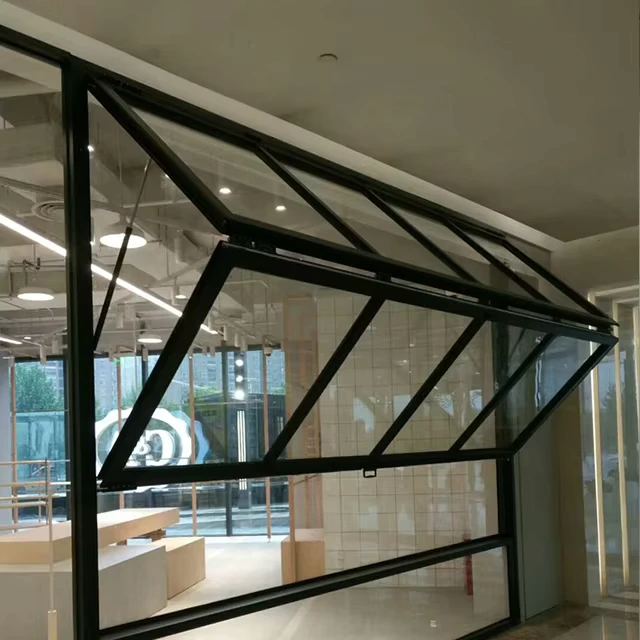
A bi-fold aluminum window is well suited to areas where owners want a broad view and a generous opening. Its aluminum alloy frame, double tempered glass, stainless steel screen, and folding configuration make it relevant for villas, hotels, apartments, dining areas, and other spaces connecting interior and exterior zones.
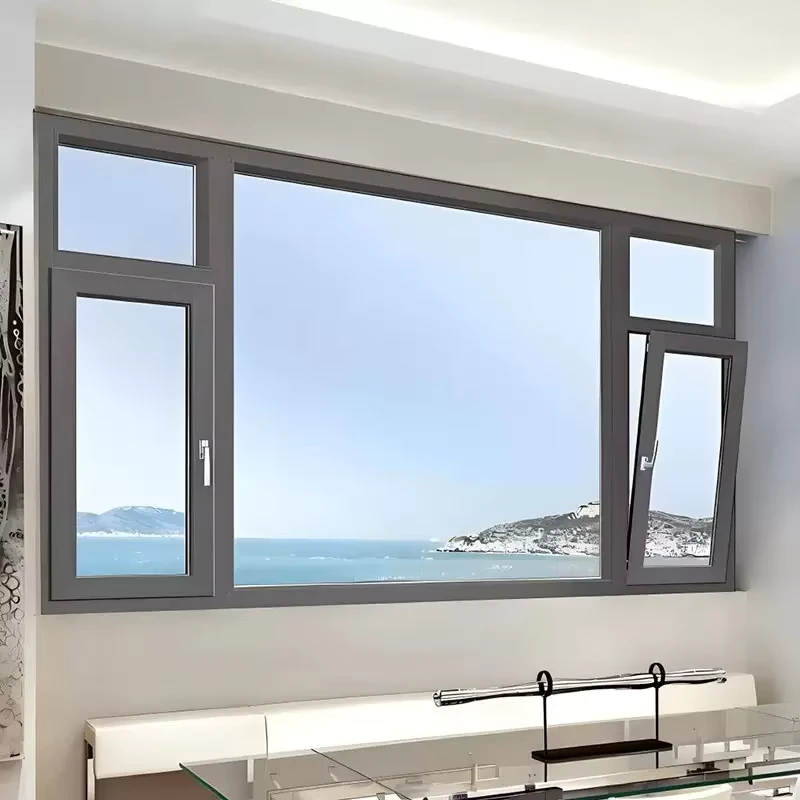
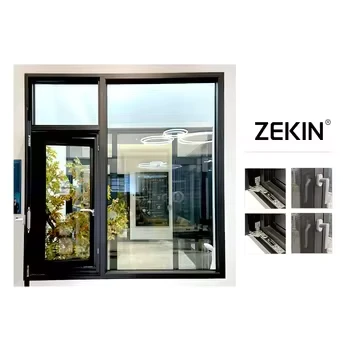
Where controlled ventilation and a familiar operating format are priorities, the argon-filled casement option offers a different approach. Its swing opening, double tempered glazing, insulation-focused construction, and black aluminum profile suit modern façades. Buyers can request details on air infiltration, water resistance, thermal values, hardware cycles, and applicable wind-load testing.
Plan Around Regional Project Requirements
Engineering projects may require glass, frames, screens, and documentation to align with a defined market standard. The project-focused casement window supports several glazing directions, including double tempered, triple insulated, and Low-E glass. If NFRC data or AS2047 compliance is required, confirm the exact configuration, test reports, and labeling before ordering because performance can vary by size and specification.
Across the wider villa window range, procurement teams should provide dimensions, quantities, destination market, glass requirements, finish, screen preferences, and target delivery schedule. A complete inquiry allows the supplier to recommend an appropriate configuration and prepare a more accurate commercial proposal.